












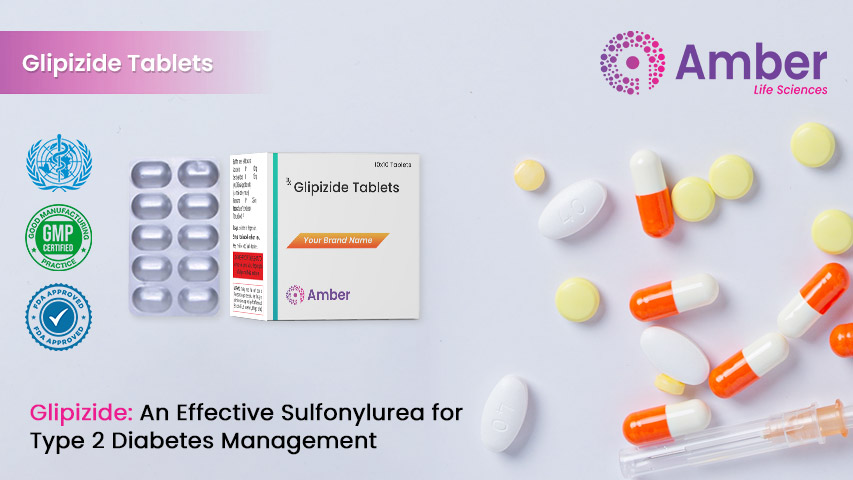
Glipizide is a commonly prescribed oral medication from the second-generation sulfonylurea group, used to manage type 2 diabetes. It plays a crucial role in managing type 2 diabetes mellitus (T2DM) by promoting insulin secretion and controlling post-meal blood sugar levels.
What Is Glipizide Used For?
Glipizide is primarily prescribed for:
- Type 2 diabetes mellitus, especially when lifestyle modifications and first-line treatments like metformin are insufficient.
- Patients needing additional glycemic control through stimulation of insulin release.
Note: It is not effective in type 1 diabetes or diabetic ketoacidosis, as it requires functioning pancreatic beta cells.
How Glipizide Works: Mechanism of Action
Glipizide lowers blood sugar by stimulating insulin release from the pancreas. Here’s how:
Pancreatic Action
- Binds to sulfonylurea receptors (SUR1) on pancreatic beta cells.
- Closes ATP-sensitive potassium channels, leading to depolarization.
- Opens calcium channels, allowing calcium influx.
- Triggers insulin granule release, reducing blood glucose levels.
Hepatic Effects
- Increased insulin reduces hepatic glucose production (gluconeogenesis and glycogenolysis).
Minor Extrapancreatic Benefits
- May slightly enhance insulin sensitivity in peripheral tissues.
Glipizide Dosage and Administration
| Formulation | Typical Dose | Instructions |
|---|---|---|
| Immediate-release | 5–40 mg/day in divided doses | 30 minutes before meals |
| Extended-release (XL) | 5–20 mg once daily | With breakfast |
Start with the lowest effective dose to minimize hypoglycemia.
Dose adjustments may be necessary based on age, renal function, or response.
Possible Side Effects of Glipizide
Common:
- Hypoglycemia (especially with skipped meals)
- Nausea, upset stomach
- Weight gain
Rare but Serious:
- Allergic skin reactions
- Hepatic dysfunction
- Blood abnormalities (e.g., anemia)
Warnings and Contraindications for Glipizide
Avoid Glipizide in:
- Type 1 diabetes
- Diabetic ketoacidosis
- Severe liver or kidney impairment
- Known allergy to sulfonylureas
Use with caution in elderly patients due to increased risk of hypoglycemia.
Common Drug Interactions with Glipizide
Increased Hypoglycemia Risk:
- Alcohol
- Beta-blockers
- Warfarin, fluconazole
Reduced Drug Effectiveness:
- Thiazide diuretics
- Corticosteroids
- Estrogens, phenytoin
Monitor blood glucose closely when combining with other antidiabetic agents like insulin or GLP-1 agonists.
Monitoring Guidelines and Patient Advice for Glipizide
- Check blood sugar levels regularly.
- Track HbA1c every 3–6 months.
- Watch for signs of hypoglycemia: shakiness, dizziness, sweating, or confusion.
Glipizide Pregnancy & Lactation
- Not recommended during pregnancy; insulin is preferred.
- Avoid during breastfeeding, as it may pass into breast milk.
Why Partner with Amber Lifesciences Pvt Ltd?
Amber Lifesciences Pvt Ltd is a leading pharmaceutical manufacturer in India offering high-quality Glipizide formulations that meet WHO-GMP and regulatory standards across LATAM countries such as Mexico, Brazil, Peru, Chile, and Argentina.
We provide:
- Bulk supply and custom packaging
- Dossier-ready support for regulatory submissions
- Reliable exports to over 30+ countries
Conclusion
Glipizide is a reliable sulfonylurea for effective glycemic control in type 2 diabetes patients. Its proven action, once-daily dosing (XL), and affordability make it a staple in diabetes care globally. However, appropriate dosing and patient monitoring are essential to minimize the risk of hypoglycemia.
Looking to import high-quality Glipizide tablets?
Connect with Amber Lifesciences Pvt Ltd – your trusted partner for exporting premium-grade oral antidiabetic medications worldwide.
