












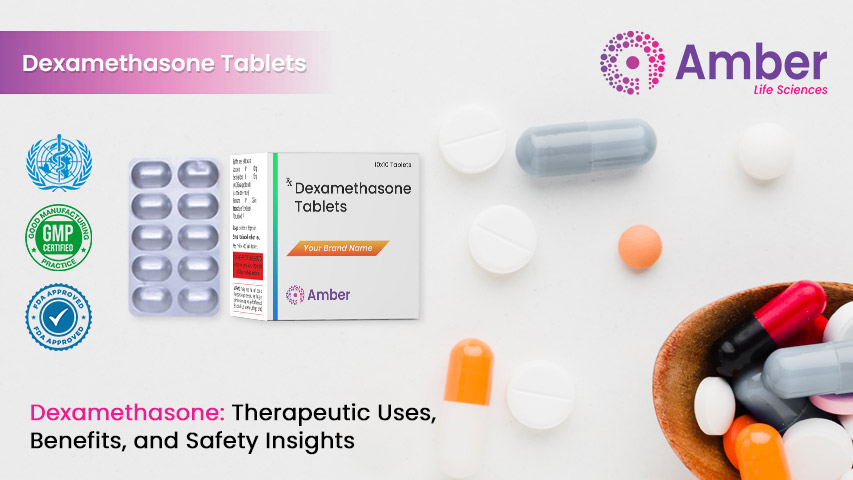
Dexamethasone is a potent corticosteroid—a type of steroid hormone that mimics cortisol, a natural hormone produced by the adrenal glands. It plays a vital role in controlling inflammation, immune responses, and various body functions. Unlike anabolic steroids, which are used to build muscle, dexamethasone belongs to the class of anti-inflammatory and immunosuppressive medications used for treating several medical conditions.
Dexamethasone: Primary Uses and Indications
Dexamethasone is one of the most versatile corticosteroids used across multiple therapeutic areas.
- Inflammatory Conditions
- Severe Arthritis: Used when other anti-inflammatory treatments fail to control joint inflammation.
- Severe Allergic Reactions: Helpful for anaphylaxis or persistent allergic symptoms.
- Asthma: Administered during acute attacks or as maintenance in severe cases.
- Skin Conditions: Prescribed for psoriasis, eczema, and contact dermatitis.
- Inflammatory Bowel Disease (IBD): Relieves inflammation during Crohn’s disease or ulcerative colitis flare-ups.
- Autoimmune Disorders
- Lupus (SLE): Helps manage systemic inflammation and organ involvement.
- Multiple Sclerosis (MS): Used in high doses for acute relapses to restore nerve function.
- Cancer Therapy
- Reduces swelling caused by brain tumors.
- Prevents nausea and vomiting from chemotherapy.
- Forms part of treatment regimens for leukemia and lymphoma.
- Endocrine and Respiratory Support
- Adrenal Insufficiency: Supplements missing cortisol when the adrenal glands fail to produce enough.
- COVID-19 Treatment: Proven effective in reducing mortality in hospitalized patients requiring oxygen or mechanical ventilation.
- Neonatal Respiratory Distress Syndrome: Administered to pregnant women at risk of preterm birth to accelerate fetal lung maturity.
- Neurological and Other Conditions
- Cerebral Edema: Reduces brain swelling due to tumors, trauma, or infection.
How Dexamethasone Works
Dexamethasone works by mimicking natural cortisol, thereby reducing inflammation and modulating immune responses. Its key actions include:
- Anti-inflammatory: Blocks the release of substances that cause redness, swelling, and pain.
- Immunosuppressive: Reduces immune system overactivity in autoimmune disorders.
- Cellular Regulation: Alters white blood cell behavior, minimizing immune damage to healthy tissues.
This mechanism makes dexamethasone effective in both acute and chronic inflammatory diseases.
Dexamethasone: Common and Serious Side Effects
Like all corticosteroids, dexamethasone’s side effects depend on dose and duration of use.
Common Side Effects (short-term use):
- Increased appetite and mild weight gain
- Fluid retention and swelling
- Mood changes or irritability
- Trouble sleeping
- Elevated blood sugar levels
- Indigestion or stomach discomfort
Serious Side Effects (long-term or high-dose use):
- Cushing’s Syndrome: Characterized by moon face, fat redistribution, and thinning skin.
- Adrenal Suppression: Stopping suddenly may cause life-threatening adrenal crisis.
- Osteoporosis: Increased fracture risk due to bone loss.
- Infections: Greater vulnerability to bacterial, viral, or fungal infections.
- Eye Problems: Risk of glaucoma and cataracts.
- Hypertension and muscle weakness due to hormonal imbalance.
Dexamethasone: Important Warnings and Precautions
- Never stop abruptly: Always taper doses under medical supervision to prevent adrenal crisis.
- Infection risk: Avoid exposure to contagious diseases like chickenpox and measles.
- Vaccines: Live vaccines should not be administered during treatment.
- Inform your doctor if you have diabetes, heart, kidney, or liver disease, hypertension, mental health issues, or stomach ulcers.
Dexamethasone: Drug Interactions
Dexamethasone may interact with several medications:
- Anticoagulants (Warfarin): May alter blood-thinning effects.
- NSAIDs (Ibuprofen, Naproxen): Increase risk of stomach bleeding.
- Diuretics: May cause electrolyte imbalance.
- Anticonvulsants (Phenytoin): Can affect steroid levels in the body.
- Vaccines: Live vaccines may not be safe or effective.
Always inform your healthcare provider about all current medications before starting dexamethasone.
Dexamethasone: Dosage and Administration
Dexamethasone is available in multiple forms—tablets, oral solutions, injections, and topical preparations.
- Dosage: Highly individualized, ranging from a single low dose to high intravenous doses in severe cases.
- Timing: Usually taken in the morning to match the body’s natural cortisol rhythm and reduce insomnia.
Never self-adjust your dose or discontinue without consulting your doctor.
Why Choose Amber Lifesciences Pvt. Ltd.
Amber Lifesciences Pvt. Ltd. is a globally trusted pharmaceutical manufacturer and exporter committed to advancing healthcare through innovation and precision. With WHO-GMP and ISO-certified manufacturing facilities, Amber Lifesciences produces high-quality corticosteroid formulations like Dexamethasone that meet EU-GMP and USFDA standards.
Key Strengths:
- Adherence to international regulatory compliance and safety norms.
- Expertise in hormonal and anti-inflammatory drug formulations.
- Advanced quality control systems ensure purity, potency, and stability.
- Reliable global distribution network serving LATAM, Africa, and Asia.
Amber Lifesciences’ focus on scientific excellence, transparency, and patient care ensures healthcare providers worldwide can trust every product they deliver.
Conclusion
Dexamethasone remains an essential medication in modern medicine, offering relief from severe inflammation, autoimmune diseases, respiratory illnesses, and cancer-related complications. Through rigorous research, global quality standards, and manufacturing integrity, Amber Lifesciences Pvt. Ltd. continues to empower healthcare systems worldwide with safe, effective, and reliable corticosteroid formulations that improve patients’ quality of life.
