











GLP-1 peptides started as a small discovery in gut hormone research and are now one of the most studied areas in peptide science, pushing new synthesis methods and rising demand for high-purity peptide APIs.
This guide explains what GLP-1 is, how it works in the body, and how it evolved from a single natural hormone into a whole family of engineered peptides.
What Is GLP-1?
Glucagon-like peptide-1 (GLP-1) is a peptide hormone secreted by specialized cells lining the intestinal wall after food intake. It belongs to a class of hormones called incretins, which regulate blood sugar levels after a meal.
How GLP-1 Works in the Body
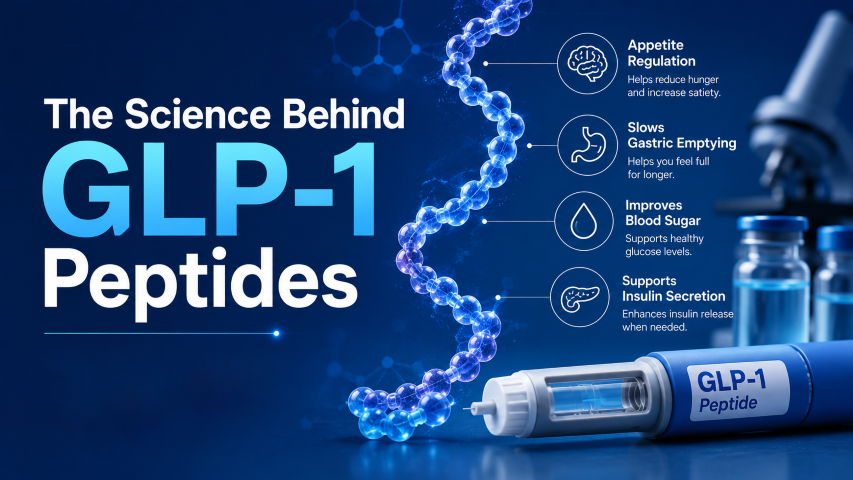
GLP-1 works by attaching to a receptor found on cells in the pancreas, stomach, brain, and heart. Once it is attached, it sets off several effects:
- Insulin release increases, but only when blood sugar is already high
- Glucagon production drops, so the liver releases less sugar into the blood
- Digestion slows down, so glucose enters the bloodstream more gradually
- Appetite signals in the brain change, contributing to a feeling of fullness for longer
Types of GLP-1 Peptides
GLP-1 peptides generally fall into two families, based on their origin.
| Type | Based On | Key Trait |
| Human GLP-1 type | The natural human hormone | Needs added changes to resist quick breakdown |
| Exendin-4 type | A peptide found in Gila monster venom | Naturally breaks down more slowly |
A newer category, referred to as multi-receptor peptides, extends this design further — these are built to act on GLP-1 and a second target, usually the GIP receptor, at the same time. Some well-known examples across these categories include Exenatide, Liraglutide, Dulaglutide, Semaglutide, and Tirzepatide, which activates both GLP-1 and GIP receptors.
Where This Research Is Headed
GLP-1 peptide research now spans metabolic health, cardiovascular studies, weight management, and comparative drug design. As multi-target and structurally modified peptides continue entering development, demand for peptide APIs with verified purity, consistency, and correct structure keeps rising.
Amber Lifesciences: Supporting Peptide API Requirements
Amber Lifesciences brings together a comprehensive range of peptide active pharmaceutical ingredients. The portfolio includes both established molecules and newer candidates, allowing customers to source multiple APIs through a single supplier. Depending on project requirements, relevant records and other supporting information can also be provided where applicable.
Alongside reliable supply, we are committed to delivering consistent customer experience built on transparency, accountability and long-term business relationships.
Frequently Asked Questions
- Is GLP-1 a hormone or a peptide?
GLP-1 is both a peptide and a hormone, structurally a short amino acid chain that also acts as a chemical signal, released by gut cells after eating. - What’s the difference between human and exendin-4 based peptides?
Human-based peptides come from the natural hormone and usually need extra modifications for stability. Exendin-4 based peptides come from a naturally longer-lasting peptide found in Gila monster venom. - What makes multi-receptor GLP-1 peptides different?
They’re designed to act on more than one receptor — usually GLP-1 and GIP — in a single peptide, which makes them more complex to design and manufacture. - What matters most when sourcing a GLP-1 peptide API?
Correct sequence, verified purity, and consistent quality across batches are important considerations. - Why choose Amber LifeSciences for GLP-1 peptide APIs?
Amber Lifesciences is a trusted Peptide API provider offering an extensive portfolio, technical documentation, regulatory support, global sourcing assistance.
